







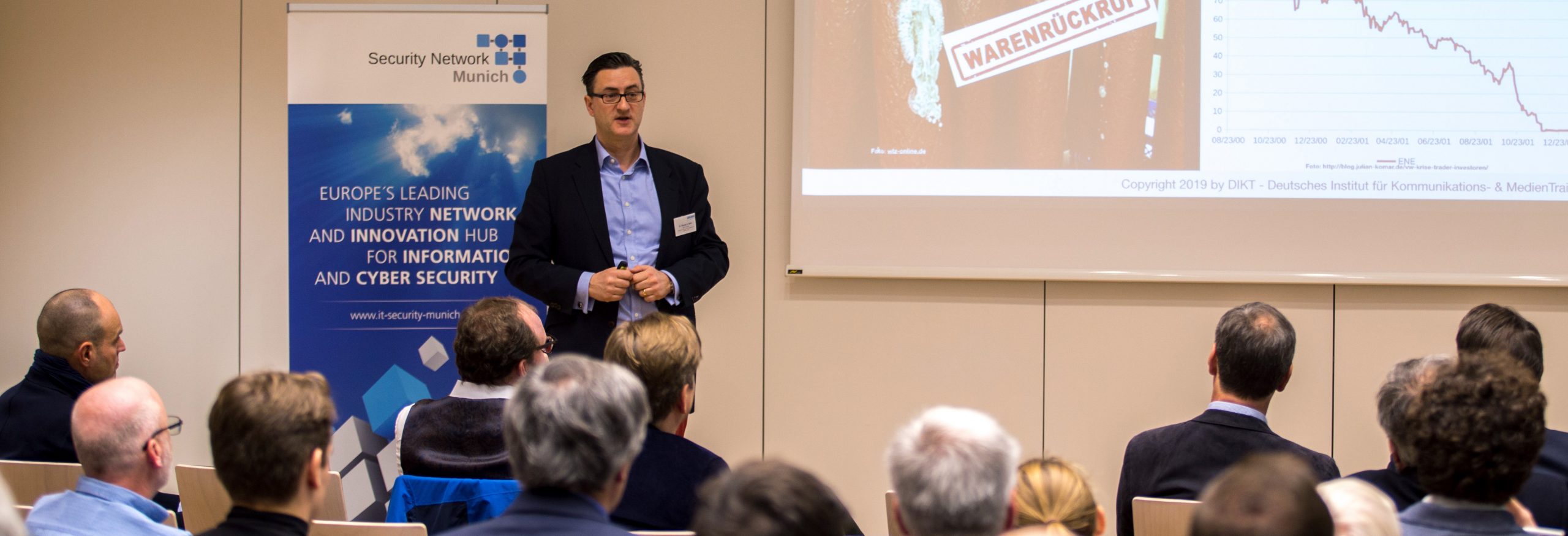
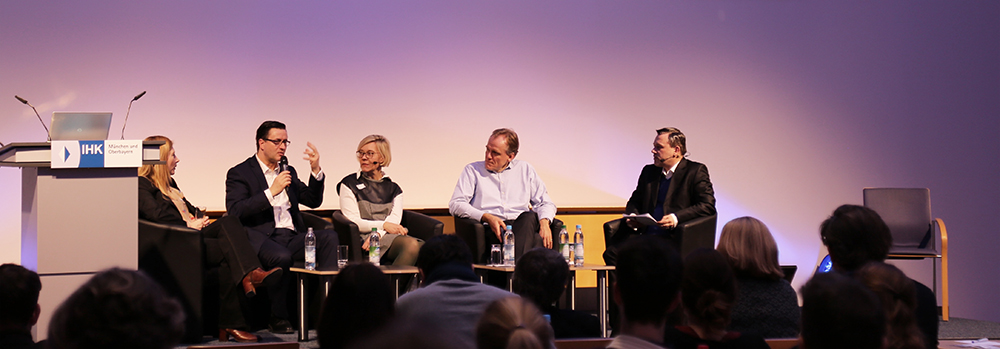



This keynote addresses a leadership challenge every organization faces today: How do you build trust when AI accelerates processes, decisions, and communication — while also creating uncertainty? It explains why values and trust in the AI era are not “nice to have” but essential leadership resources.
As AI increasingly shapes organizational life, employees face new tools, processes, and expectations. Their unspoken question: Can I still trust this system? This keynote emphasizes that trust isn’t the result of good intentions — it’s the outcome of clear communication and decisive leadership.
Key Topics
- Trust as a Leadership Currency: Why trust in the AI era becomes the key stabilizing factor for performance, loyalty, and willingness to change.
- Values in Practice: Which values leaders must demonstrate to ensure AI is seen as an enabler — not an uncontrollable force.
- Leadership & Communication: How communication changes when texts, analyses, and recommendations are generated by AI — and how leaders maintain credibility.
- Employees & Empathy: How to guide employees through AI-driven transformation without losing trust: with clarity, empathy, and authentic presence.

Leading Trust When AI Co-Decides
AI is no longer just a tool — it has become an invisible teammate: drafting emails, organizing information, generating presentations, evaluating profiles, and making recommendations. This shift creates new dynamics in leadership and organizations. When employees cannot understand how decisions are made, trust declines — even if outcomes seem objectively better.

This keynote highlights a core insight: AI transforms not only processes but relationships. And relationships are where values are felt — or ignored. Leaders face a dual challenge: using AI effectively while strengthening the human foundations of performance: trust, orientation, and belonging.
Key Thesis: The more AI is in the system, the more human leadership must become.
Not softer — but clearer. Not louder — but more credible. Empathy becomes a strategic competency: understanding effects, taking fears seriously, and communicating so employees never feel powerless.
The Trust Formula for AI-Driven Leadership: Values, Empathy, Responsibility
Many organizations treat AI purely as an efficiency project. Employees, however, experience AI as a cultural and identity question: Am I still relevant? Is performance being reassessed? Who truly decides? Technical arguments alone do not generate trust — they create distance.
This keynote combines AI, communication, and leadership into a clear formula: Values must be visible, decisions must be explainable, and employees must experience leaders taking responsibility — not delegating it to systems. AI can assist, but it cannot legitimize leadership. Legitimation comes from human decision-making.
Four Principles to Stabilize Trust in AI-Driven Organizations
- Clearly Define What AI Can — and Cannot — Do
Trust grows when boundaries are transparent: Where does AI operate, where does the human decide, and who is accountable? - Explain, Don’t Just Announce
Leadership means making decisions understandable: Not “the system says,” but “We decide — and here’s why.” - Human Communication Over AI Jargon
If internal communication suddenly reads like generic AI-generated content, leaders lose proximity and credibility. Learn to use AI without losing impact. - Empathy as a Performance Lever
Empathy is not a soft skill; it is a business advantage. Understanding AI’s effects on employees allows leaders to drive transformation — rather than merely manage resistance.
Key Message: AI scales speed. Trust scales leadership. Without values and trust, AI in organizations becomes friction, not progress.
Book Dr. Behr Directly
Looking for a keynote that connects AI, leadership, communication, and the employee perspective — with clear principles, empathy, and a focus on values and trust in times of AI? Contact us to schedule Dr. Behr.
Further keynotes and speeches by Dr. Behr:
• Leadership task no. 1 Communication: Achieving greater success through empathy and clarity.
• Communication. Made easy. More sensitivity and harmony within the team.
• Lies have short clicks. How to expose fake news and disinformation.
• Zero-G Leadership Communication. Leading with ease and empathy.