






Deepfakes in the workplace are no longer a thing of the future. Videos that look deceptively real, AI-generated voices, and fake profiles can influence decisions and damage a company’s reputation. That’s why addressing this issue is a leadership responsibility. Dr. Nikolai A. Behr has studied this topic extensively and has published a book on it titled “Wir sind Fake!” This article outlines what executives need to know.
Why Deepfakes Are Becoming a Key Management Issue in the Corporate World
Generative AI makes it easier to deceive. As a result, the lines between what is real and what is fake are becoming blurred. This affects businesses, as well as elections, the media, and public opinion. For executives, this raises three questions: How great is the threat to reputation and business? What role does AI play in targeted disinformation? And what communicative, ethical, and legal responses do we need?
What Deception Looks Like Today
The examples range from fake videos to CEO fraud to fake profiles on LinkedIn. In CEO fraud, perpetrators pose as superiors and demand payments or information. AI-generated voices or videos make this seem more credible. Furthermore, targeted disinformation often follows psychological patterns. Those who are familiar with these patterns can recognize manipulation sooner.
What Companies Can Do Specifically
The book focuses on three key areas: prevention, monitoring, and digital resilience. In practice, the following measures, for example, are helpful:
- Always confirm unusual payment or data requests through a second, trusted channel
- Consistently apply the dual-control principle for wire transfers and sensitive approvals
- Regularly train employees to recognize and report fraudulent activity
- Monitor your own brand to detect fake content early on
- Prepare a crisis plan: Who makes decisions, who communicates, and what is said when?
This last point relates to crisis communication, a key area of expertise for Dr. Behr.
The book “The Age of Fakes!”
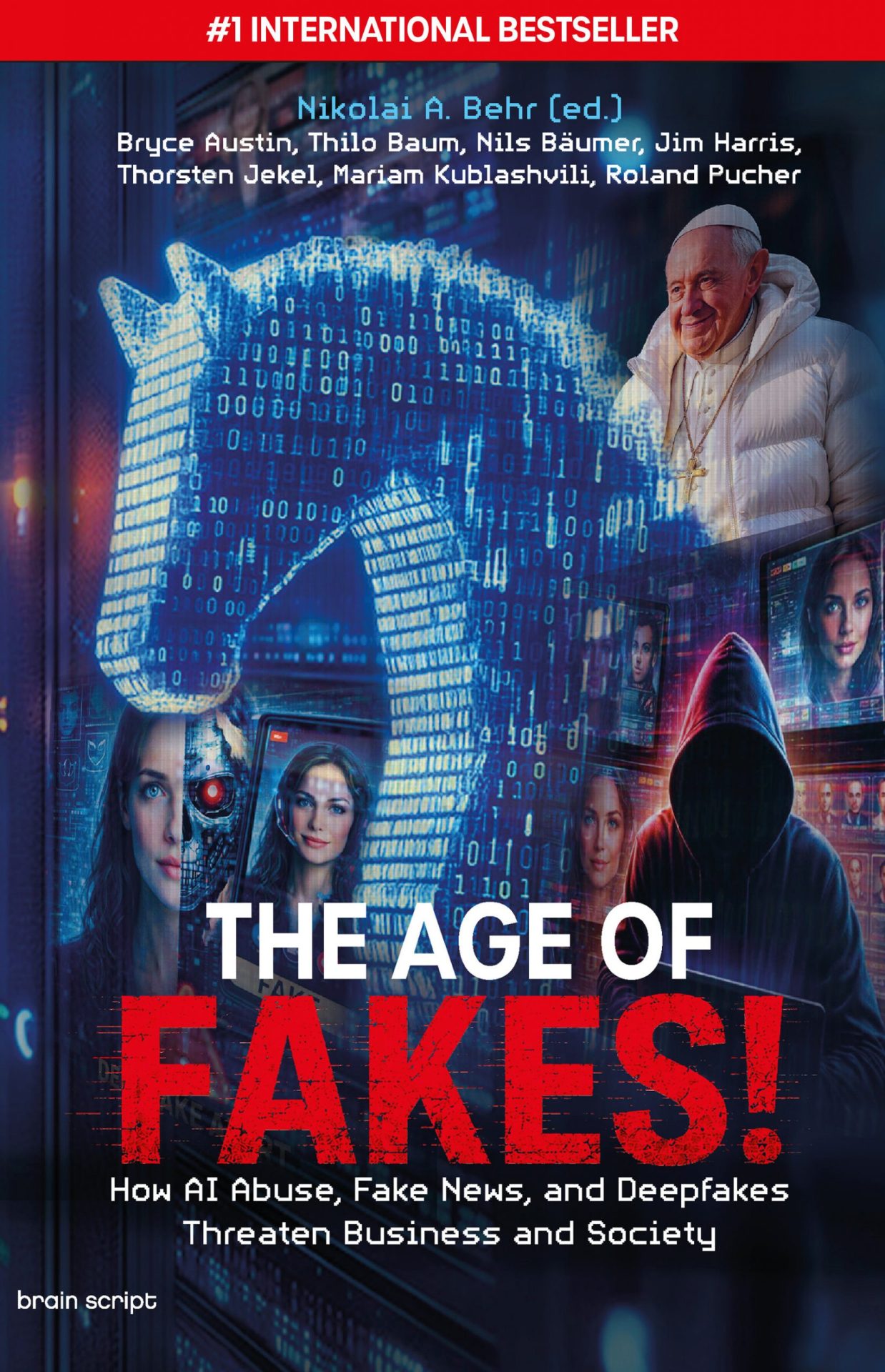
The Age of Fakes! How AI Abuse, Fake News, and Deepfakes Threaten Business and Society” is an international bestseller published by brain script. Dr. Nikolai A. Behr is the editor and a contributing author. The book brings together voices from cybersecurity, communication science, management, law, and security policy, including Jim Harris, Bryce Austin, Thilo Baum, Thorsten Jekel, and Roland Pucher. Behr himself guides readers through the history of deception, from ancient times to today. The book treats AI-driven deception as a systemic risk, not a technical curiosity. It is written for executives, board members, compliance, risk, and cybersecurity leaders, and corporate communicators. You can find all details on the publisher’s page: The Age of Fakes!.
Dr. Behr to Serve as Keynote Speaker on Deepfakes and Disinformation
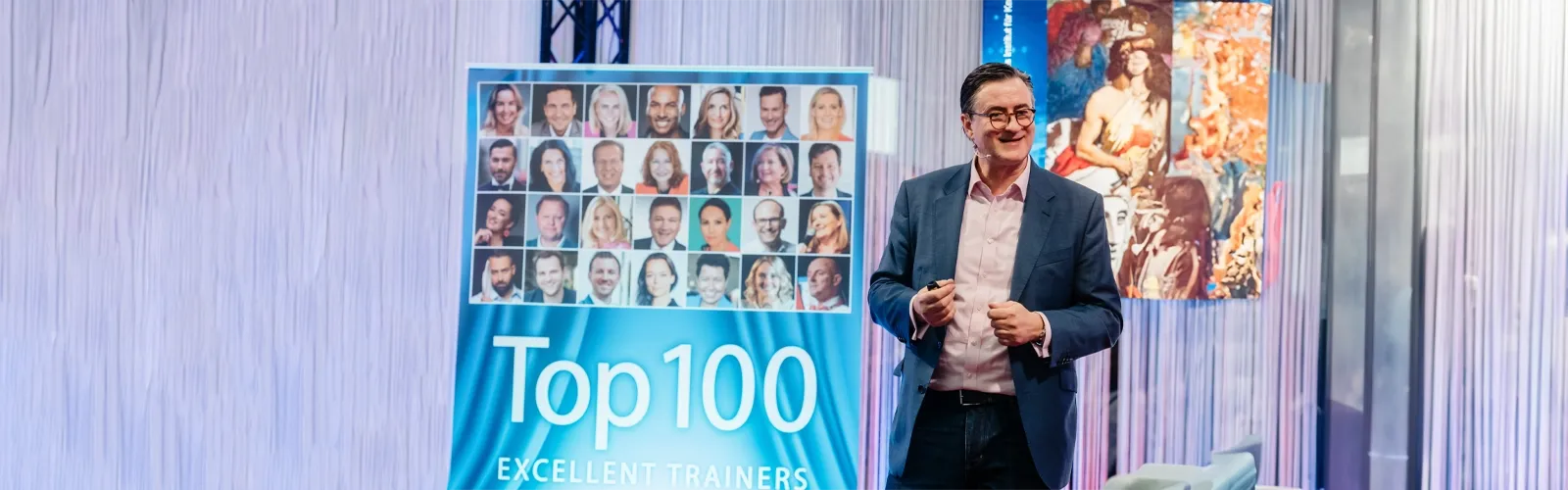
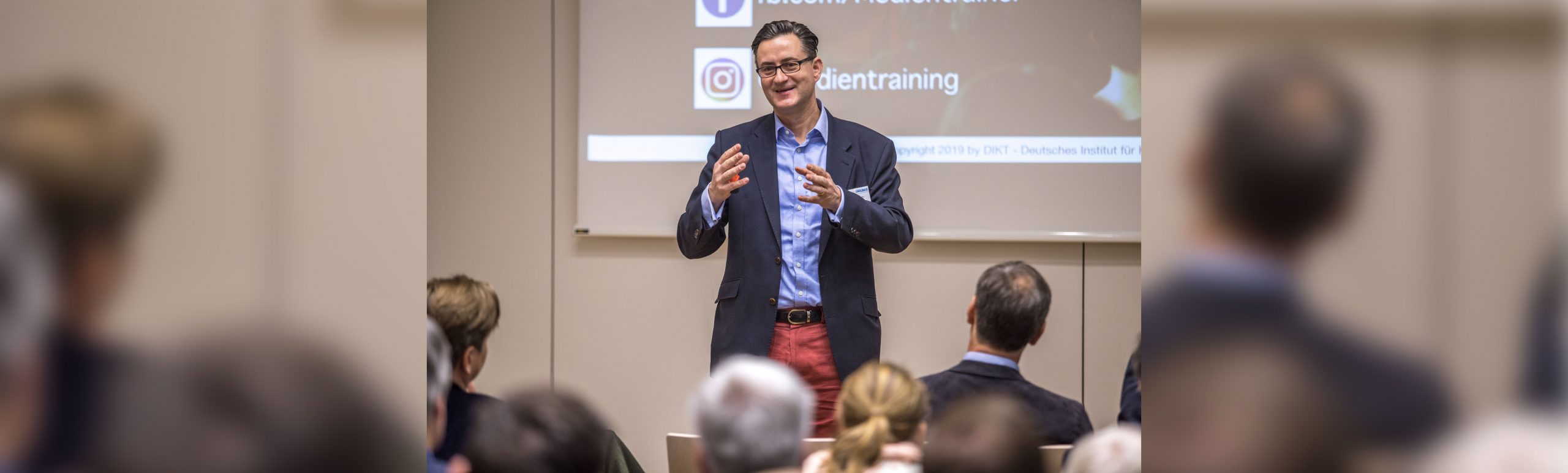
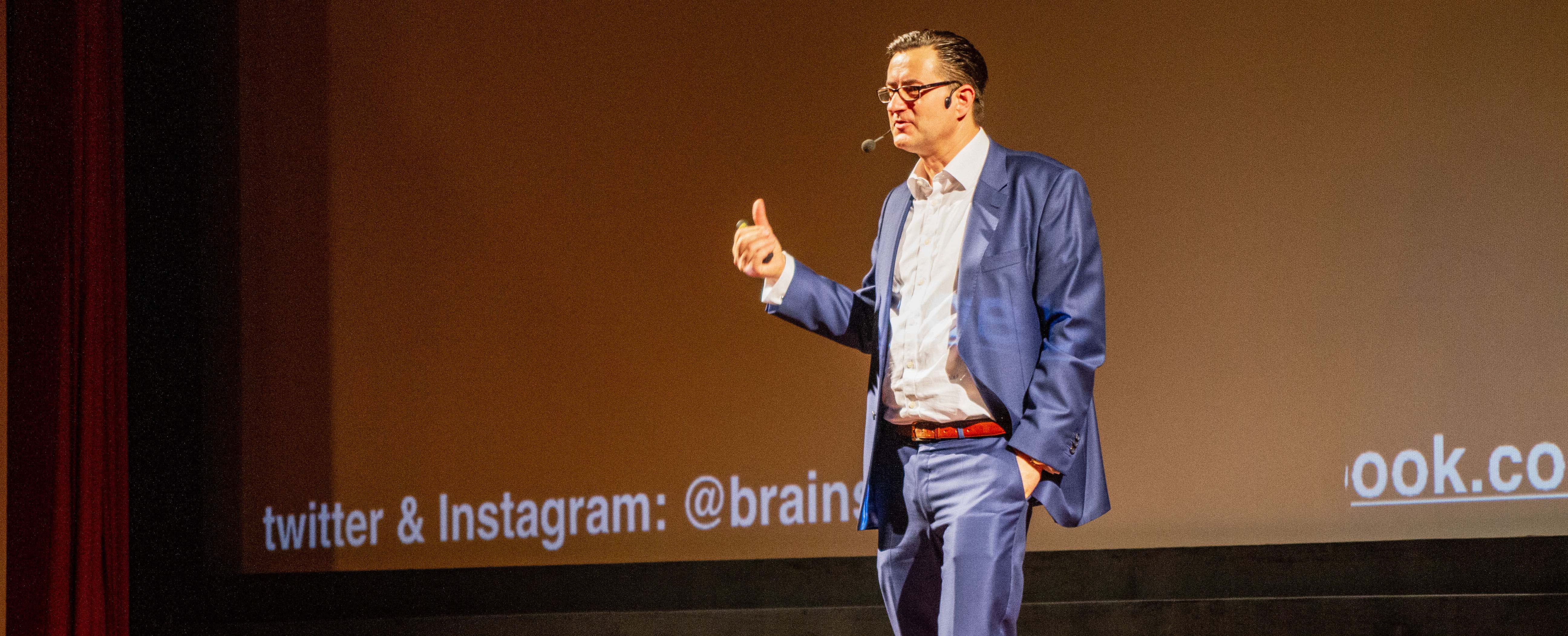
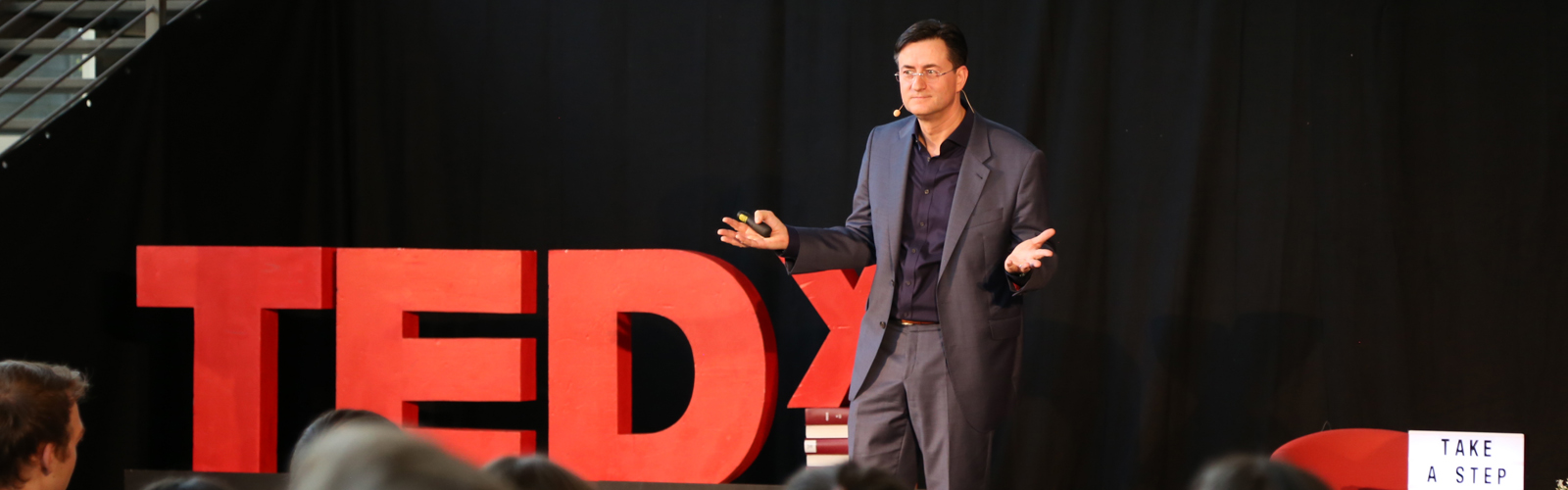
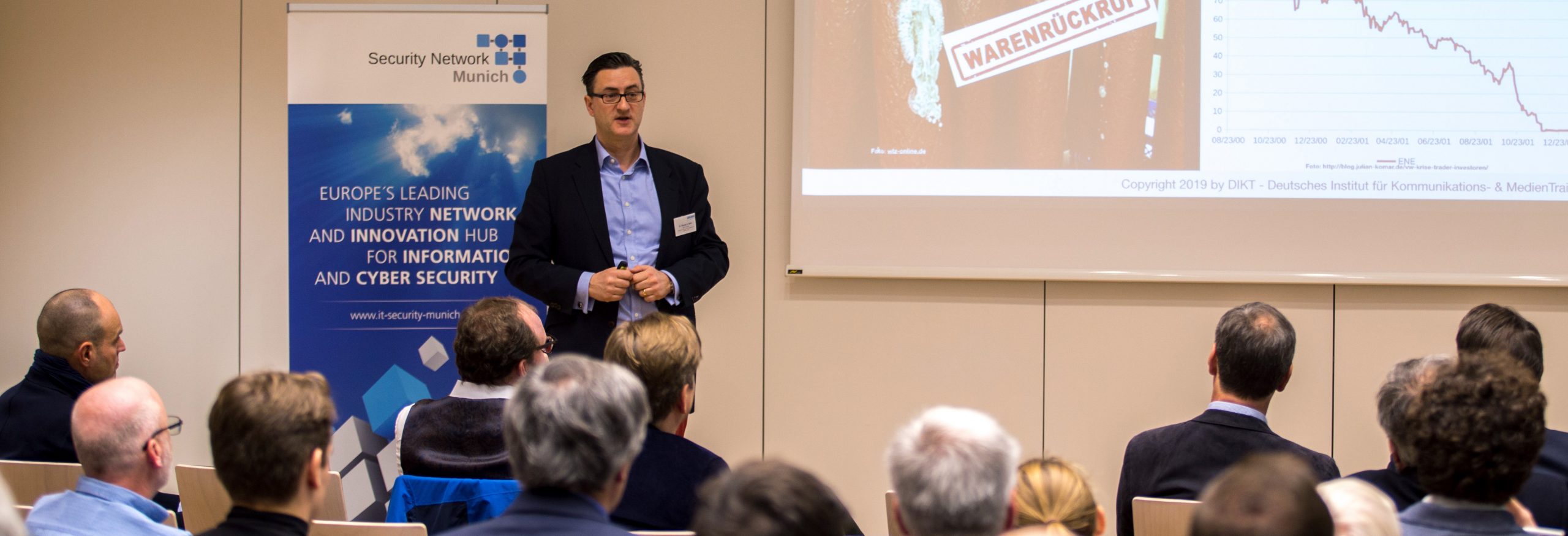
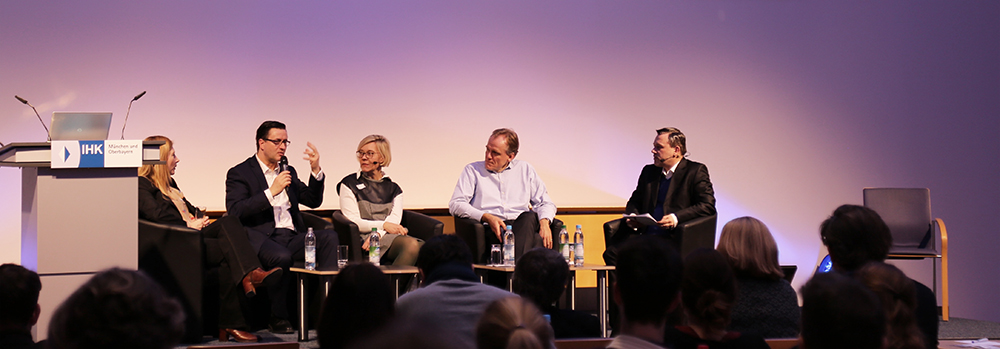
On stage, Dr. Behr translates these topics into concrete actionable insights. Her keynote presentation features current case studies from the worlds of politics, business, and the media. She also explains the psychological patterns behind disinformation and offers recommendations for leaders. These include questions such as: How do I recognize disinformation? Which protective measures are truly effective? How do I train my employees? And what should I do in the event of a crisis?
He speaks German and English. He has also been a Certified Speaking Professional (CSP®) since 2026; for more information, visit the CSP page. You can find his keynote speeches here: “Fake News, Deepfakes, and Disinformation” and “Lies have short clicks”
Frequently Asked Questions
What are deepfakes?
Deepfakes are images, videos, and voices created or altered using AI. They appear deceptively real, even though they are fake.
For what kinds of events is a keynote on deepfakes suitable?
It is suitable for board meetings, executive conferences, and communications and cybersecurity events.
Request a Keynote on Deepfakes and Fake News
Are you planning an executive conference, a convention, or a security conference? Please briefly describe the event, the audience, and the date. We’ll then send you a suitable proposal.